
Low-Cholesterol Diet for Men: Complete Feature Guide
Discover how tailored nutrition strategies help men maintain healthy cholesterol levels and support long-term cardiovascular wellness
The information on this site is for educational purposes only and does not constitute medical advice. Always consult a qualified healthcare professional before making health decisions.
Why This Approach Works for Men
Cardiovascular Support
A structured low-cholesterol eating plan directly supports heart health by reducing intake of saturated fats and trans fats, helping maintain healthy lipid profiles naturally through dietary choices.
Practical Meal Planning
Our approach focuses on real, achievable meals that fit men's nutritional needs and lifestyle. No extreme restrictions—just smart food choices that taste good and deliver results.
Evidence-Based Nutrition
Content developed through research into nutrition science and how men respond to dietary interventions. Our guides reflect current nutritional understanding and practical application.
Progressive Goals
Build sustainable habits over time with incremental dietary changes. Our step-by-step approach helps men gradually transition to healthier eating patterns without overwhelming lifestyle shifts.
Whole Food Focus
Emphasizes natural, minimally processed foods including lean proteins, whole grains, vegetables, and healthy fats—building blocks for sustained wellness and better lipid management.
Community-Driven Content
Learn from shared experiences and practical insights from men who've navigated dietary changes. Our editorial platform brings together real-world strategies and nutritional knowledge.
Core Features of Our Low-Cholesterol Approach
Smart Food Selection
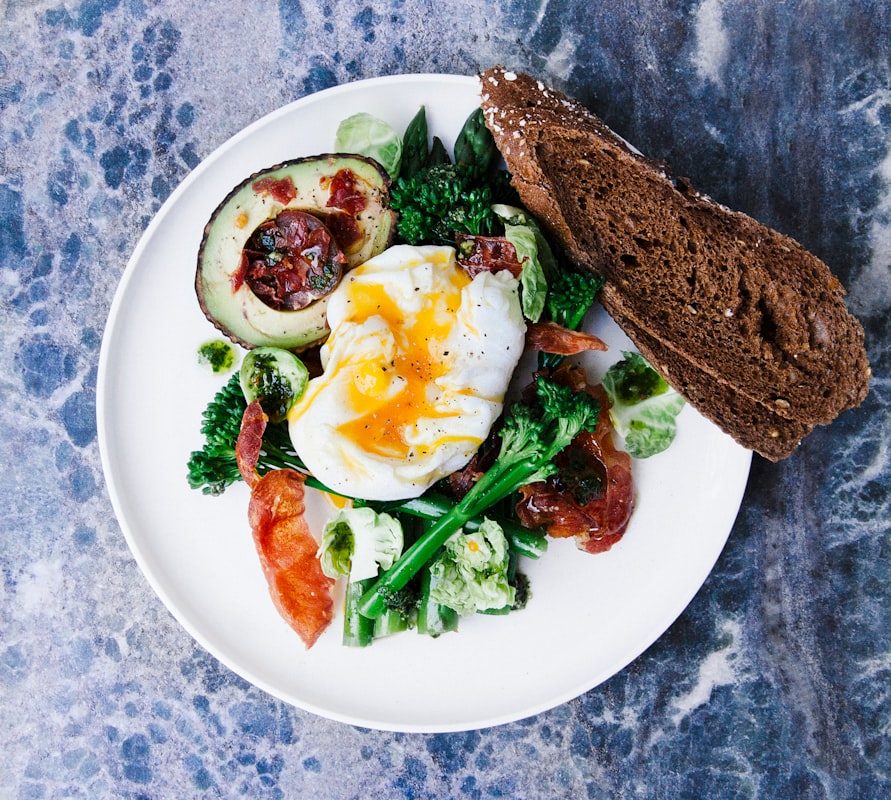
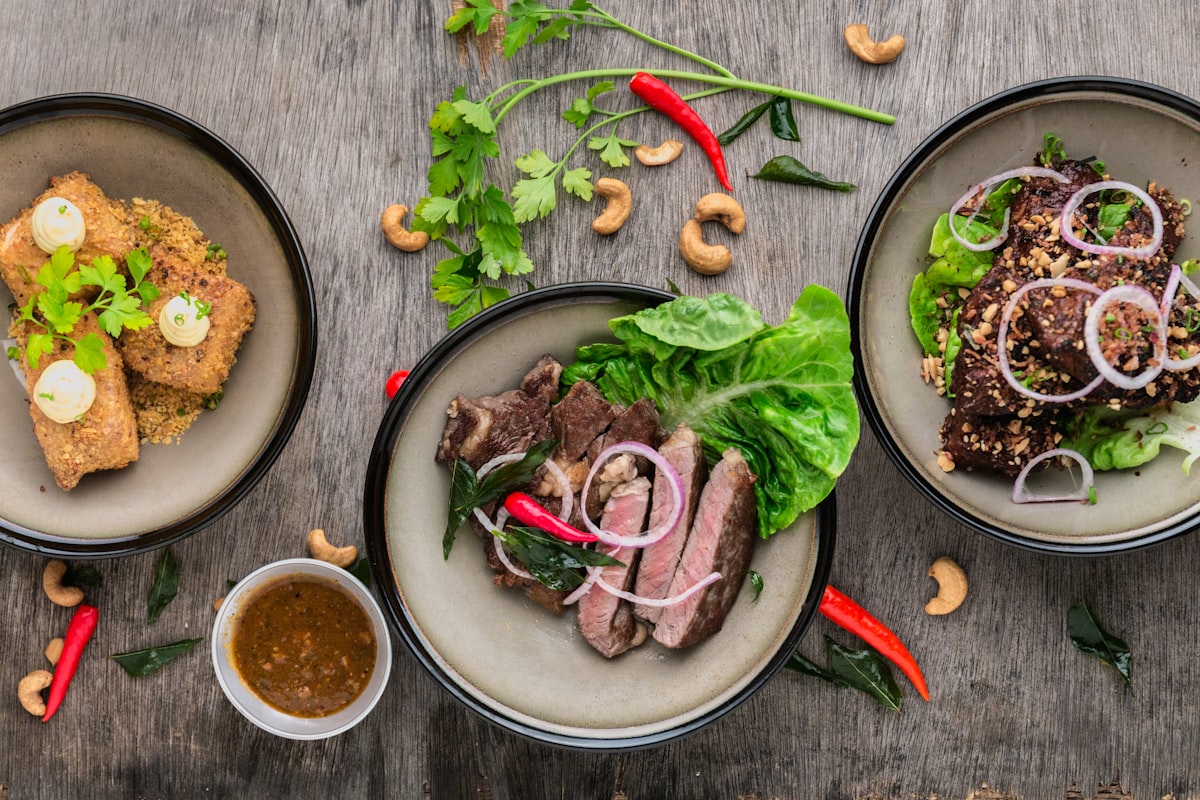
Our editorial content teaches men how to identify and choose heart-healthy foods. Learn which proteins reduce cholesterol burden, which whole grains offer maximum benefit, and which oils and fats truly support cardiovascular wellness.
- Lean protein sources: Fish, poultry, legumes, and plant-based options
- Whole grain staples: Oats, brown rice, quinoa, and whole wheat options
- Healthy fats: Olive oil, avocados, nuts, and omega-3-rich foods
- Abundant vegetables: Leafy greens, cruciferous vegetables, and colorful produce
Structured Meal Planning
We provide detailed guides on how to organize daily meals, balance macronutrients, and maintain variety throughout the week. This structure removes guesswork and helps men stay consistent with their nutritional goals.
- Daily meal templates: Breakfast, lunch, dinner, and snack frameworks
- Shopping guides: Lists organized by food groups for efficient planning
- Portion guidance: Evidence-based serving sizes for cholesterol management
- Weekly themes: Varied meal ideas to prevent monotony and ensure nutrient diversity
Healthy Cooking Methods
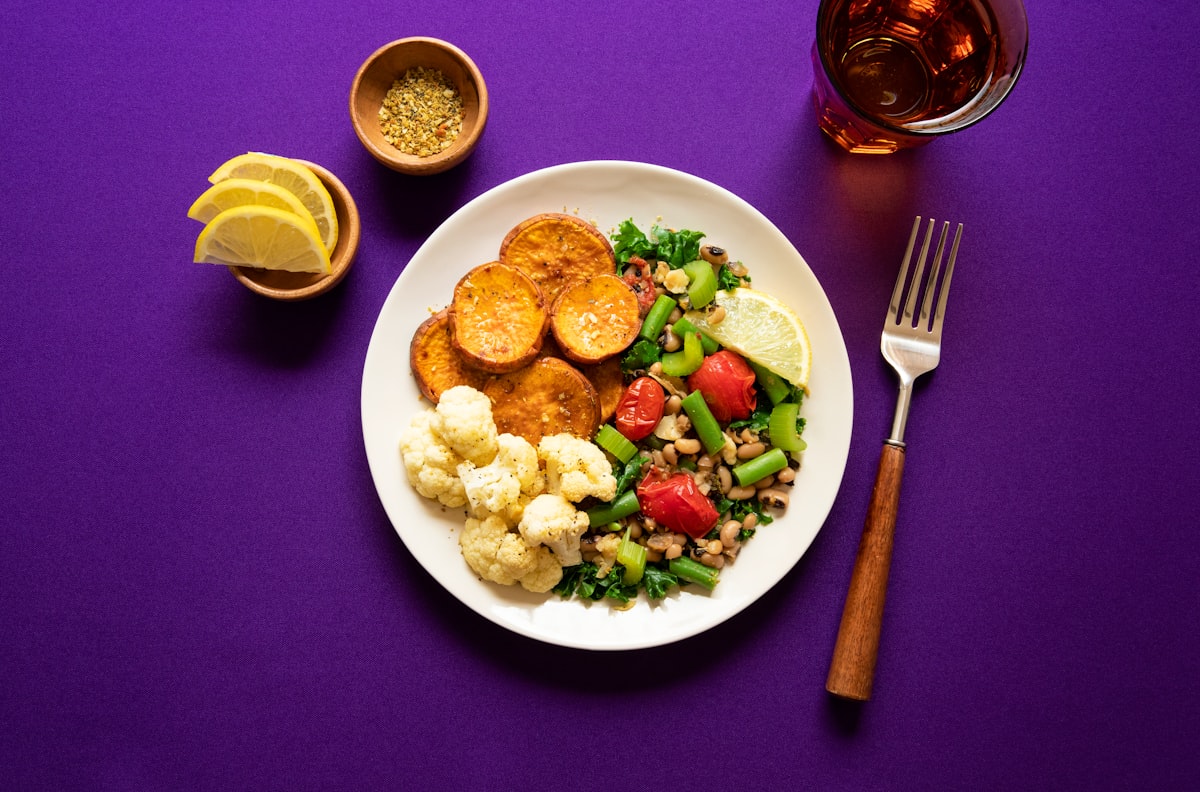
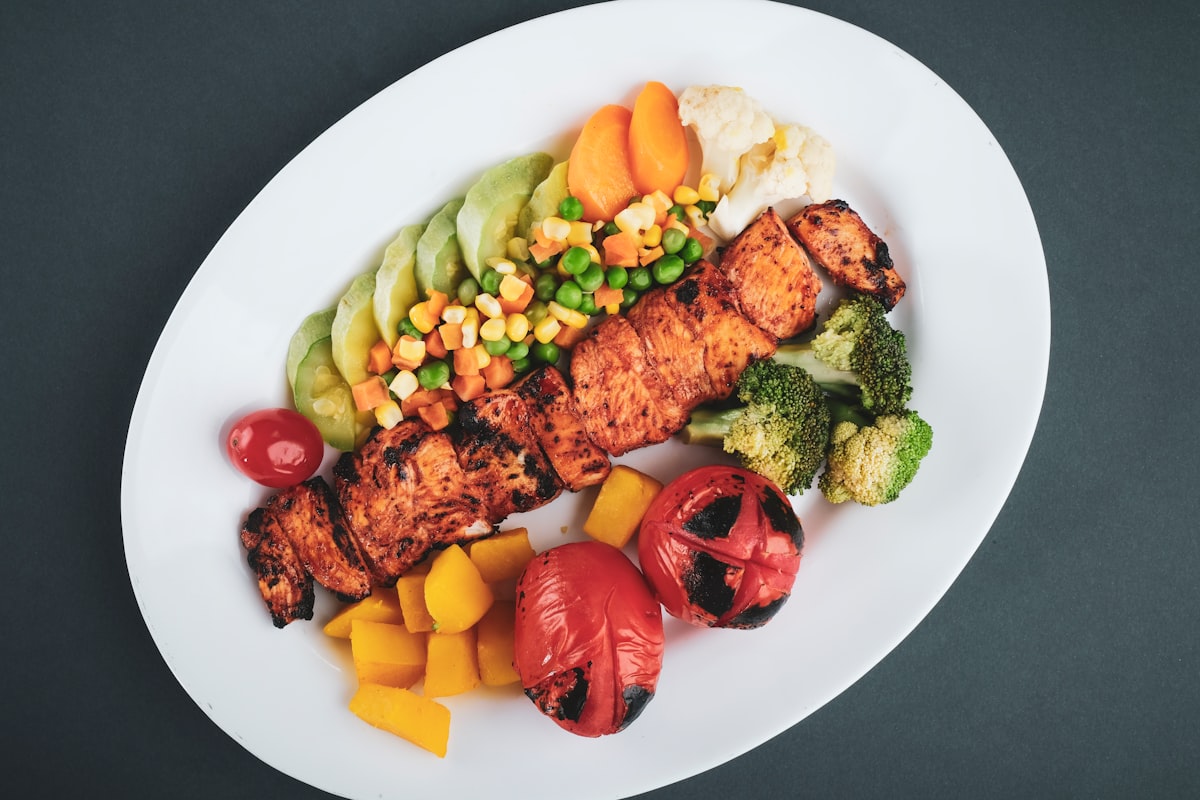
Food preparation technique matters. Our content covers cooking methods that preserve nutrition while minimizing unhealthy fats. Learn which techniques work best for different ingredients and how to maintain flavor without compromising health goals.
- Steam and boil: Preserves nutrients in vegetables and lean proteins
- Grill and bake: Creates flavorful results with minimal added fat
- Slow cooking: Develops deep flavors while maintaining nutritional integrity
- Stir-fry techniques: Quick cooking with controlled oil use and maximum vegetable intake
Nutritional Education
Understanding the "why" behind dietary recommendations helps men make better choices independently. We explain cholesterol types, fat categories, fiber benefits, and how nutrients work together to support cardiovascular wellness.
- Cholesterol education: How LDL, HDL, and triglycerides interact with diet
- Label literacy: Reading nutrition facts and identifying hidden saturated fats
- Nutrient synergy: How fiber, antioxidants, and plant compounds work together
- Practical application: Making informed choices at restaurants and social events
Your 4-Week Transition Framework
Week One: Awareness
Begin by understanding your current eating patterns. Track meals, identify sources of saturated fat, and familiarize yourself with heart-healthy food options. Read our beginner guides on cholesterol and nutrition basics.
- • Review food diary
- • Learn food labels
- • Plan first week menu
Week Two: Substitution
Start replacing high-cholesterol foods with healthier alternatives. Swap refined grains for whole grains, replace fatty meats with lean proteins, and introduce more vegetables and fruits into your daily meals.
- • Implement swaps
- • Try new recipes
- • Adjust portions
Week Three: Optimization
Fine-tune your eating approach based on how you feel and what's working. Discover favorite low-cholesterol recipes, master meal prep techniques, and build confidence in your food choices for sustained consistency.
- • Perfect meal prep
- • Find favorite recipes
- • Build consistency
Week Four: Sustainment
Establish your new eating patterns as lasting habits. Explore advanced topics like restaurant strategies, social eating, and long-term maintenance. Join our community to share experiences and stay motivated.
- • Master dining out
- • Social strategies
- • Long-term planning
Food Comparison: What to Embrace vs. What to Limit
| Food Category | Embrace (Heart-Healthy Choices) | Limit (Higher Cholesterol Impact) |
|---|---|---|
| Proteins | Salmon, tilapia, chicken breast, turkey, beans, lentils, tofu | Beef fatty cuts, pork ribs, full-fat cheese, processed meats |
| Grains | Oats, brown rice, quinoa, whole wheat bread, barley, rye | White bread, pastries, refined cereals, white rice, donuts |
| Fats & Oils | Olive oil, avocado oil, nuts, seeds, fatty fish, nut butters | Butter, coconut oil, lard, trans fats, cream-based sauces |
| Dairy | Low-fat milk, Greek yogurt, reduced-fat cheese, plant-based alternatives | Whole milk, full-fat cheese, ice cream, cream, butter |
| Vegetables & Fruits | All fresh vegetables, berries, leafy greens, oranges, apples, bananas | Vegetables cooked in excess oil, fruit juices with added sugar |
| Snacks | Almonds, walnuts, fruit, popcorn (air-popped), hummus, vegetables | Chips, cookies, candy, fried snacks, processed pastries, crackers with trans fats |
Frequently Asked Questions
Response to dietary changes varies by individual, but many men notice improvements within 2-4 weeks of consistent eating habits. Some research suggests that certain dietary adjustments—like increasing soluble fiber and reducing saturated fat—can support cholesterol improvements over 3-6 months. The key is consistency rather than quick fixes. Our content emphasizes sustainable, long-term lifestyle changes rather than temporary dietary shifts.
Men Share Their Experiences
"The guides made me realize that eating well doesn't mean suffering through bland meals. I found recipes I actually enjoy, learned how to read labels properly, and genuinely feel better after three months. The step-by-step approach kept me from feeling overwhelmed."
James Mitchell
Fitness Enthusiast, Texas
"As someone with a busy schedule, I needed something practical. These meal plans fit into my lifestyle. No complicated cooking, just real food that tastes good and supports my health goals. Highly recommend."
David Chen
Business Professional, California
Ready to Transform Your Diet?
Join thousands of men who've discovered how proper nutrition can revolutionize their health, energy, and confidence.